
Society for the confluence of festival of India

Friday, 01 NOV 2024

Essays on Diwali Festival


PREVIOUS
Diwali rituals Diwali, the festival of lights, is one of the important and widely spread holidays celebrated in India. It is a celebration of lights, and for many, it is truly a sensory experience; some families decorate their houses with all sorts of lights and open up to the neighbors, sharing their love and their food.
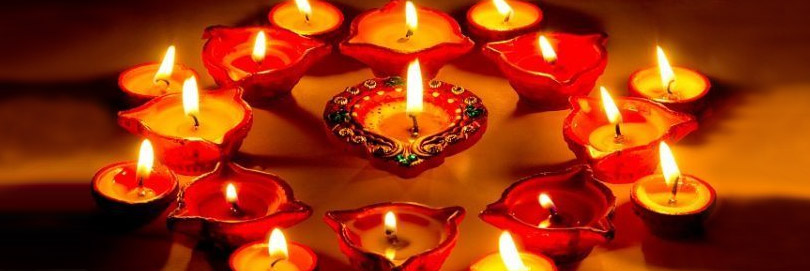
Those celebrating Diwali spend time with family and friends. They perform religious ceremonies to bring in wealth and prosperity for a new year, cook and eat delicious food, design rangolis, light up their lives by lighting diyas (small earthen lamps), candles and sometimes, by lighting fireworks.
Diwali is celebrated in honor of the lord Rama, who on this day returned from a forest exile. Diwali is actually the middle day in a five-day festival that rings in the Hindu New Year. For Diwali, I go to festivals and hold pooja at my house.
Diwali is the most important festival celebrated in India. Diwali or Deepawali means an array of lights. It is a festival of lights symbolizing victory of good over evil and the glory of light. Diwali is celebrated as the day that Lord Rama returned to Ayoda after defeating Ravana. Diwali also signifies Harvest Festival.
Another legend is Naraksura, a monster who was a troublemaker to the gods. Lord Krishna and Satyabama killed the demon. Diwali is celebrated in five days. The first day of Diwali is called Dhanteras.
The second day is called Narak Chatardasi. On this day Lord Krishna destroyed the demon and made the world free from fear. The third day is called Diwali. Lakshmi puja is performed on this day. All homes are decorated and lit up by Diyas.
The fourth day is called New Year of Bestavarsh. The fifth day is called Bhai Dhooj. It is about brothers and sisters. Diwali is a time for fun and joy. On Diwali kids light firecrackers and everyone enjoys.
A growing number of scholars and people debate the need and justification of using fire crackers to celebrate Diwali for a number of reasons. One is the amount of money that goes into flames every year in the name of celebrations towards the purchase of firecrackers . Secondly, many companies that are engaged in the manufacturing of these fire crackers said to employ child labor and hardly follow the safety rules or welfare measures. Thirdly, there is hardly any control on the quality of the fire crackers manufactured by these companies, which often results in injuries and deaths due to accidents or poor performance. Fourthly, it is not uncommon to see irresponsible youth in various parts of India using firecrackers to tease women and trouble helpless people in streets and public places. Fifthly, excessive use of fire crackers often lead to communal clashes and social tensions. It also exposes the children of poor families to a lot of despair and loss of self esteem when they see other children playing with them. Lastly the firecrackers are a source of pollution, although on the positive side people claim that the smoke and smell drive away the insects and clear the air.
Some of the points mentioned above are worth examining because they are valid points and genuine concerns. For a moment if we can separate emotion and prejudice and take a closer look at this issue objectively, it makes sense to argue that by minimizing the money on firecrackers, or at least by avoiding the use of more dangerous, noisy and polluting ones, it is worth spending the amount so saved for some good cause that leads to some long term positive social or religious benefit to the community as a whole. For example, it may be a good idea to donate some money by every family during Diwali to some social or religious institution, which is engaged in some philanthropic activity or helping the poor Hindu brethren.
Readers are requested to note that these observations are in reference to the use of all or certain fire crackers and not to the observation of Diwali as a festival. By all means Diwali is a festival of lights and deserves full scale ceremonial observation and celebration. The question is whether we should use fire crackers on this occasion on such massive scale and invite trouble to ourselves and our environment.
The true celebration of Diwali is when we light a lamp in the life of some poor brethren or bring some cheer into the heart of an innocent child through our kindness and generosity. Goddess Lakshmi would be truly pleased if we share our wealth and happiness in some meaningful and selfless way, something that sets us apart from the nature of demons who try to use wealth like Bali for their own selfish and evil ends. Wealth is truly divine and remains in its purest divine aspect only when it is spent for a good cause that promotes the spiritual well beings oneself and others.
Those who know the goddess well know that she is mighty pleased when her energies are in circulation for a right and just cause. In this modern world, let us therefore celebrate Diwali as an auspicious and God sent opportunity to bring cheer and happiness in a world oppressed by the darkness of egoism, greed, vanity and selfishness.
Pollution-Free Diwali | Deepavali - The Brightest Festival | Diwali - A Five-Day-Long Festival | Celebrate Diwali! | I Like Diwali Very Much | What I do on Diwali | Lord Mahavira's Nirvana: Diwali | DIWALI- The unique festival of lights | Why we celebrate | Different Diwali traditions | The meaning of Diwali | Diwali rituals | The five days of Diwali | Diwali in the Modern World | Diwali - A Festival of Lights | Diwali Preparations in Indian Homes | The Day of Diwali | India - Land of Festivals | I Like Diwali Very Much | My Favorite Festival | Most Spirited Festival
PREVIOUS
- - Diwali Cards
- - Crackers
- - Dry Fruits


Festival Fun
- Diwali Rangoli
- Diwali Whatsapp Messages/Status
- Diwali Recipes
- Deep in Diwali
- Tradition of Playing Cards
- Pooja Thali Decorations
- Making Diwali Cards
- Diwali Essay
- Diwali Poems
- Diwali Songs
- Diwali Mela
- Diwali Wallpapers
- Diwali Decorative Items
- Diwali 2024
- Diwali Messages
- Diwali Quotes
- Lakshmi Pooja
- Articles
- Lakshmi Ganesha Mantras
- Lakshmi Chalisa
- Diwali SMS
- Diwali Solar Eclipse
- Diwali Remedies
- 108 Lakshmi Names
Diwali Rangoli
Indians love colors and its perfectly reflected in various ways. Rangoli is one such example that is a unique art work that is...Know More
Diwali in History
The history of Diwali is replete with legends and these legends are moored to the stories of Hindu religious scriptures...Know More
Diwali Messages
Enjoy the Best and the Most Heartfelt Diwali Messages from all entries received by us!!...Know More
Diwali Gift Ideas
Diwali is the epiphany of showing gratefulness to the almighty for blessing with wealth and wisdom. It is the time of illuminating...Know More