Dhanteras

Friday, 01 NOV 2024

It's Diwali everywhere, let's show some love and care and wish everyone out there….
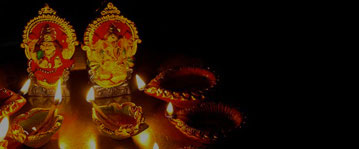
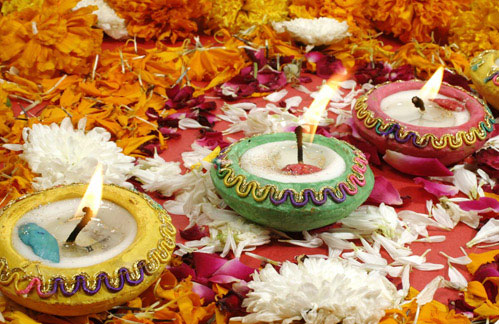
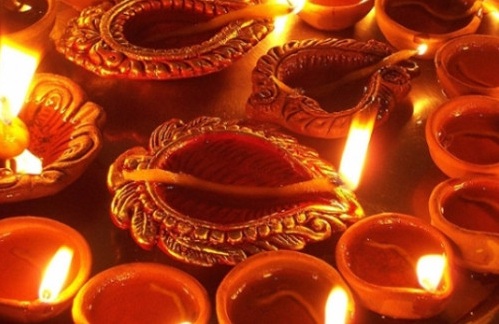
Diwali, the festival of lights is indeed the most awaited and the most celebrated festivals of India. People in every nook and cranny of the country welcome the festival with enthusiastic gestures. This wonderful festival is the celebration of five days. On the third day of the celebratory occasion, the key rituals of the Diwali festival take place. Lighting of Diyas and candles all around the house, worshipping the Laxmi Ganesha to summon health and wealth and bursting crackers are the chief rituals of the festival.
In addition to that, the exchange of heartfelt gifts during Diwali these days have become a mandatory part of the celebration. Friends, families, and colleagues share with each other Diwali gifts as a gesture of showing love and affection. Also, special and grand feast with delicious food that mandatorily includes different varieties of sweets is the special attraction of the occasion.
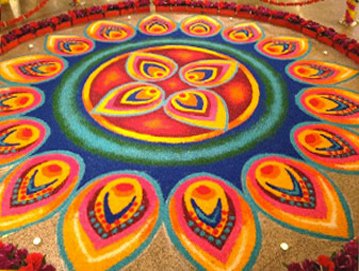
Indians love colors and its perfectly reflected in various ways. Rangoli is one such example that is a unique art work that is...Know More
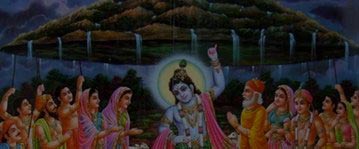
The history of Diwali is replete with legends and these legends are moored to the stories of Hindu religious scriptures...Know More
Diwali, the festival of distinctive significance, the festival of lights and the festival of happiness is here again to...Know More
Diwali is the epiphany of showing gratefulness to the almighty for blessing with wealth and wisdom. It is the time of...Know More