
Society for the confluence of festival of India
Friday, 01 NOV 2024

Diwali in Goa


| Diwali Celebration in Goa | ||||||||||||
|
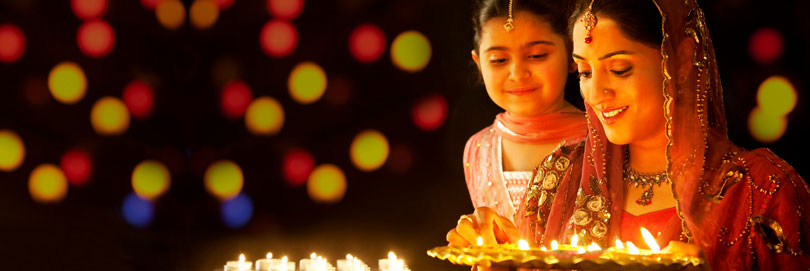
Diwali which is the festival of lights, is a one-day festival in Goa. Bhaubija and the New year day are also celebrated as part of Diwali festival. In Goa, huge effigies of Narkasura the demon, are made and burnt at dawn. The night of Diwali is also be jeweled with millions of flickering candles and an explosion of fire works and fire crackers, so it is known as the Festival of Lights. The lamps signify enlightenment or upliftment of the mind and edification of the spirit.
According to legend Narkasur was a Rakshas (demon) who was terrorizing the people. He used to come down to the villages and capture and kill the citizens. Lord Krishna killed him and freed people from his terrorism. Till this time there was no peace because of the people's fear of the Narkasur. With his killing, people were in a celebratory mood. They lit up their houses with 'pontis' and hung 'akash divas' above their houses.
Narak Chaturdasi is called Diwali in Goa. On this day, early morning, a paper made Narkasur (demon) filled with grass, wastepaper, crackers etc is taken out and to the accompaniment of taunts and insults, burnt and cremated. Early on Diwali day after burning the Narkasur the Hindu menfolk will return to their homes to be massaged by their wives / mothers with the same type oil and 'utnem'. The family then visits the local temple and returns to a similar feast of 'foav' sweets.
- - Diwali Cards
- - Crackers
- - Dry Fruits


Festival Fun
- Diwali Rangoli
- Diwali Messages
- Diwali SMS
- Diwali Recipes
- Deep in Diwali
- Diwali Whatsapp Messages/Status
- Tradition of Playing Cards
- Pooja Thali Decorations
- Making Diwali Cards
- Diwali Essay
- Diwali Poems
- Diwali Songs
- Diwali Mela
- Diwali Wallpapers
- Diwali Decorative Items
- Diwali 2024
- Diwali Quotes
- Lakshmi Pooja
- Articles
- Lakshmi Ganesha Mantras
- Lakshmi Chalisa
- Diwali Solar Eclipse
- Diwali Remedies
- 108 Lakshmi Names
Diwali Rangoli
Indians love colors and its perfectly reflected in various ways. Rangoli is one such example that is a unique art work that is...Know More
Diwali in History
The history of Diwali is replete with legends and these legends are moored to the stories of Hindu religious scriptures...Know More
Diwali Messages
Enjoy the Best and the Most Heartfelt Diwali Messages from all entries received by us!!...Know More
Diwali Gift Ideas
Diwali is the epiphany of showing gratefulness to the almighty for blessing with wealth and wisdom. It is the time of illuminating...Know More