
Society for the confluence of festival of India

Friday, 01 NOV 2024

Diwali in Karnataka
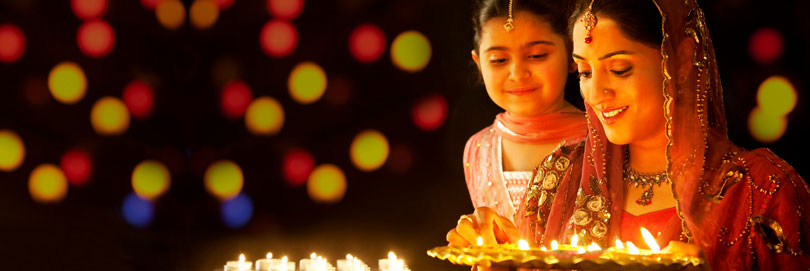


| Diwali Celebration in Karnataka | ||||||||||||
|
The festival of lamps, Diwali, is an ancient tradition that is celebrated through Karnataka in one manner. The festival has been celebrated for ages and grows in fascination by each year. Everyone enjoys the goodies, the glitter and glamor, and the endless zest for living that suddenly grips people around this time. The victory of light over darkness is celebrated joyously all over the region. It is also considered to be a festival of wealth and prosperity.
The legend followed in Karnataka is that of an emperor named Bali who had become all-powerful and a threat to the peace of the universe. God Vishnu is said to have come to earth in the form of a short Brahmin (The Vamana Avatar), and presenting himself before the mighty Bali asked for "as much land as three of my footsteps would cover." As no king should refuse a Brahmin's appeal for charity, Bali readily granted what seemed to him a trifling request. Whereupon the diminutive Brahmin resumed his all-pervasive, omnipresent form and covers the heavens with one foot and the world below with another. He asked where he should place his foot for the third step. Bali bowed before him and offered his own head for him to place his foot on. This victory is observed on the day of the new moon (Amavasya) when the month of Ashwin (October-November) makes way for the month of Kartik.
The celebration of Diwali is marked by the lighting of innumerable lamps in every courtyard and the bursting of crackers. Sweetmeals, new clothes and spirit is there as in other festivals. The time for rejoicing is mainly early morning and late night. These hours of darkness bordering the waking hours are preferred as lights and crackers are the highlights of the festivities and these need darkness to have their illuminating effect. Hence people rise early and go late to sleep.
- - Diwali Cards
- - Crackers
- - Dry Fruits


Festival Fun
- Diwali Rangoli
- Diwali Whatsapp Messages/Status
- Diwali Recipes
- Deep in Diwali
- Tradition of Playing Cards
- Pooja Thali Decorations
- Making Diwali Cards
- Diwali Essay
- Diwali Poems
- Diwali Songs
- Diwali Mela
- Diwali Wallpapers
- Diwali Decorative Items
- Diwali 2024
- Diwali Messages
- Diwali Quotes
- Lakshmi Pooja
- Articles
- Lakshmi Ganesha Mantras
- Lakshmi Chalisa
- Diwali SMS
- Diwali Solar Eclipse
- Diwali Remedies
- 108 Lakshmi Names
Diwali Rangoli
Indians love colors and its perfectly reflected in various ways. Rangoli is one such example that is a unique art work that is...Know More
Diwali in History
The history of Diwali is replete with legends and these legends are moored to the stories of Hindu religious scriptures...Know More
Diwali Messages
Enjoy the Best and the Most Heartfelt Diwali Messages from all entries received by us!!...Know More
Diwali Gift Ideas
Diwali is the epiphany of showing gratefulness to the almighty for blessing with wealth and wisdom. It is the time of illuminating...Know More